
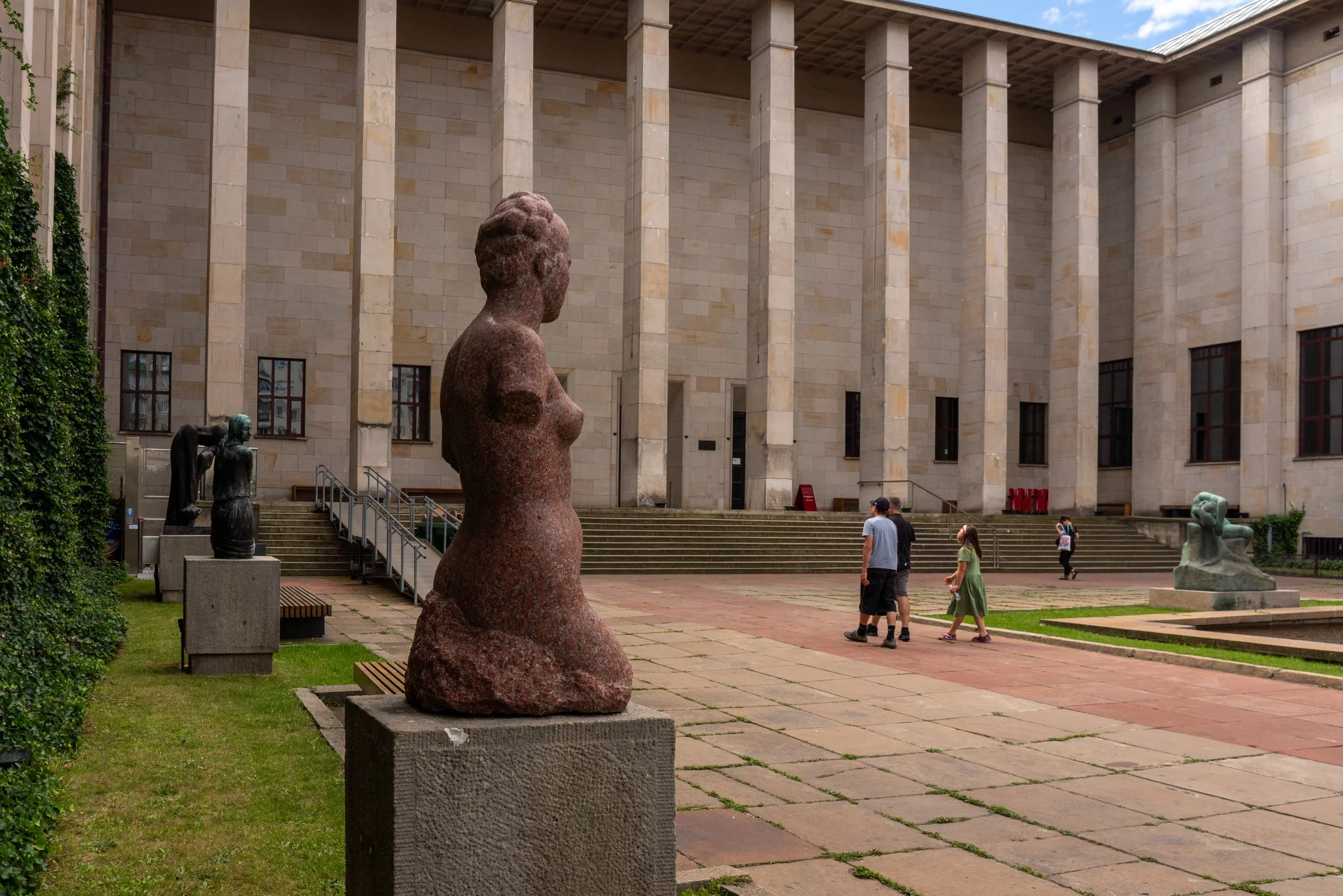
If you're visiting Warsaw, the National Museum is a must-see for its rich and diverse collection spanning centuries of artwork including paintings, sculptures, drawings, prints, photographs, coins and more.
My Life Childhood by Jacek Malczewski 1914
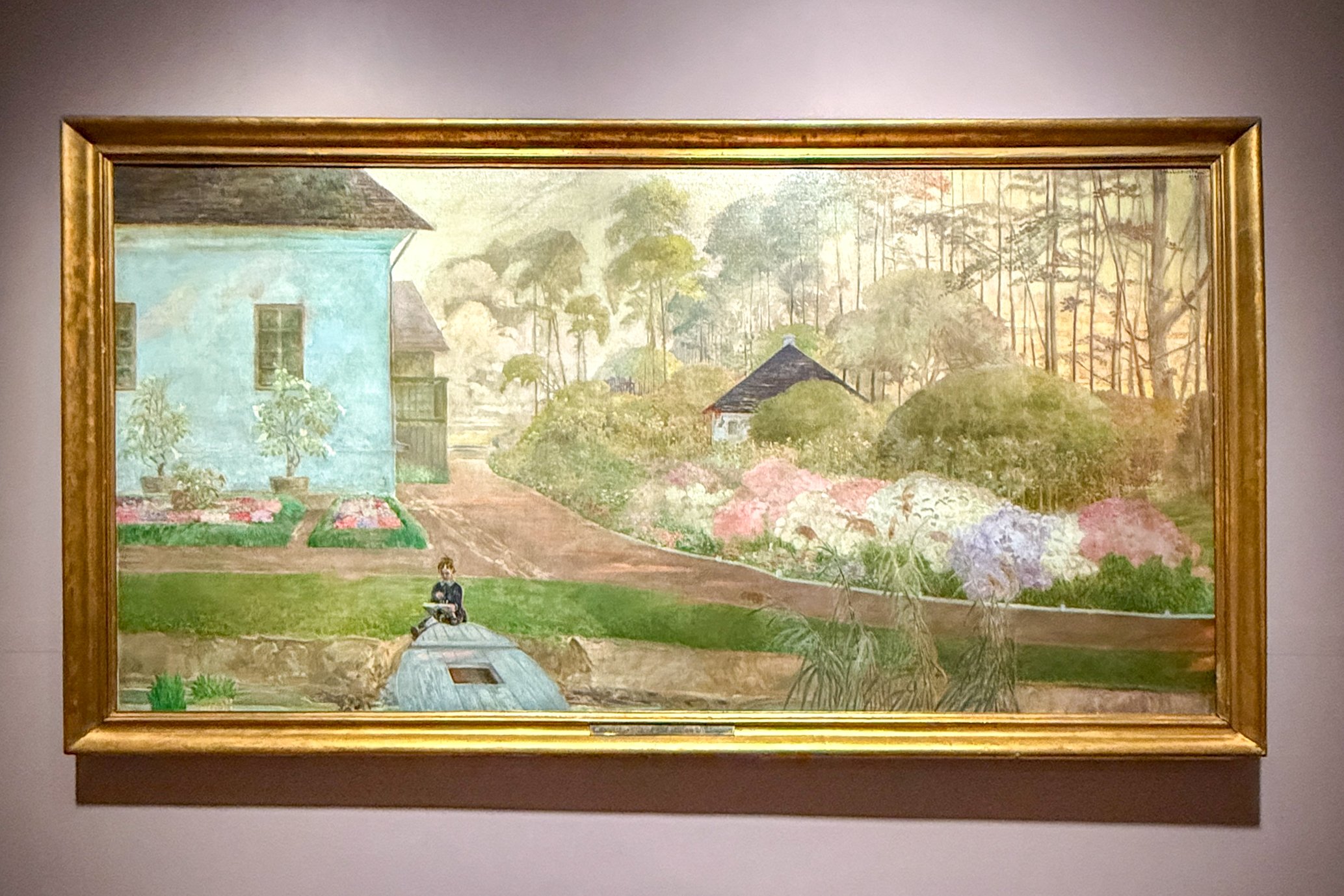
My Life Childhood by Jacek Malczewski depicts a serene and picturesque landscape scene. It is a reflective, symbolic painting that captures the artist’s nostalgic view of his early years. Set in a dreamlike landscape, the work blends memory and imagination, evoking themes of innocence, loss, and the passage of time. It’s a poignant glimpse into the emotional core of Malczewski’s life and art.
View of Warsaw from the Terrace of the Royal Castle by Bernardo Bellotto (aka Canaletto) 1773

This oil-on-canvas by Bellotto captures Warsaw in its Enlightenment grandeur, viewed from the terrace of the Royal Castle. Painted in 1773, the scene teems with architectural detail, light, and life including horsemen, guards, sculptors, and courtiers mingling beneath golden late-day light. Beyond the terrace, the city unfolds toward the Vistula, with churches and palaces rising under an expansive sky.
The Battle of Grunwald by Jan Matejko 1878
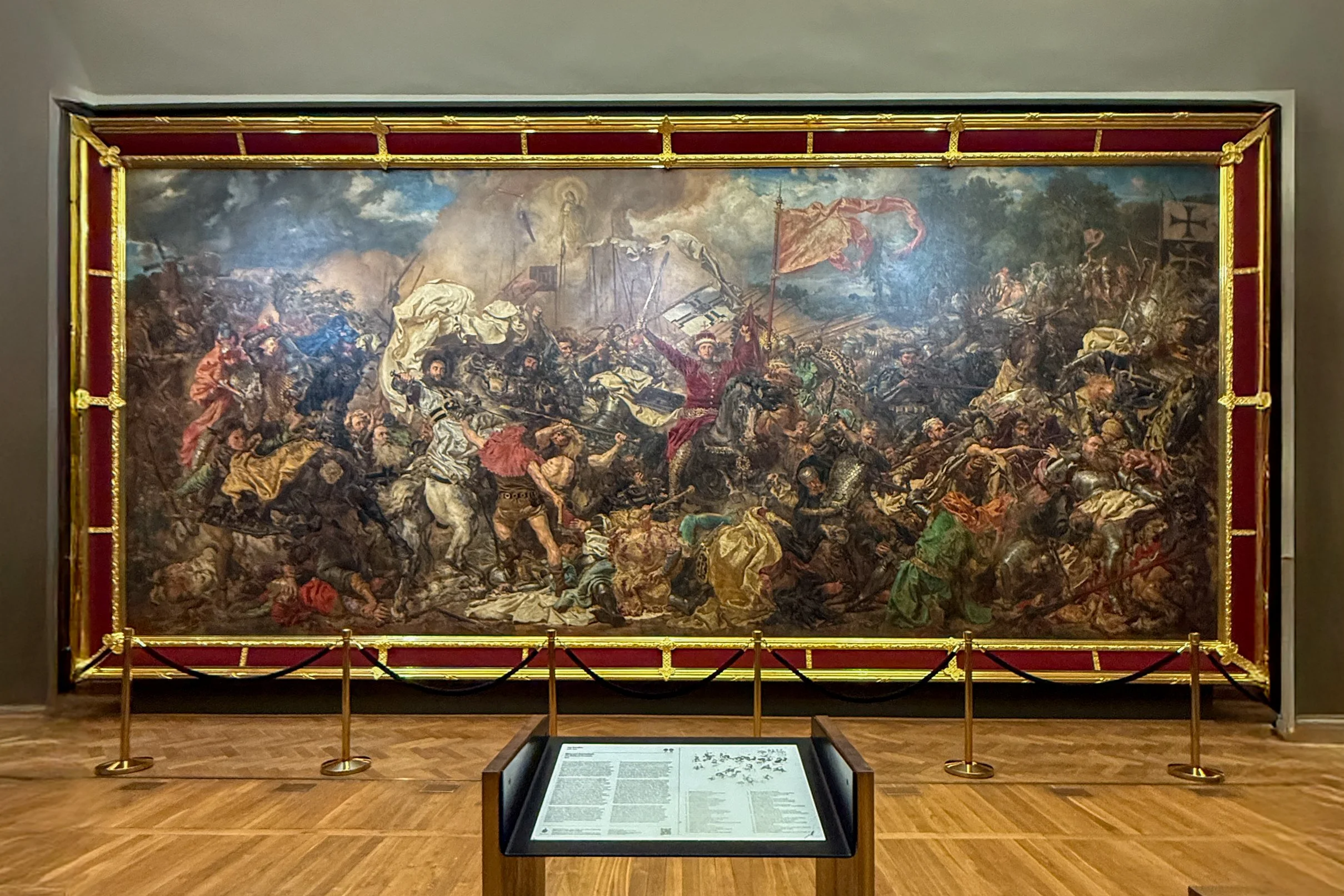
Painted in 1878, this monumental oil on canvas by Jan Matejko vividly reimagines the 1410 Battle of Grunwald, where Polish and Lithuanian forces decisively defeated the Teutonic Order.
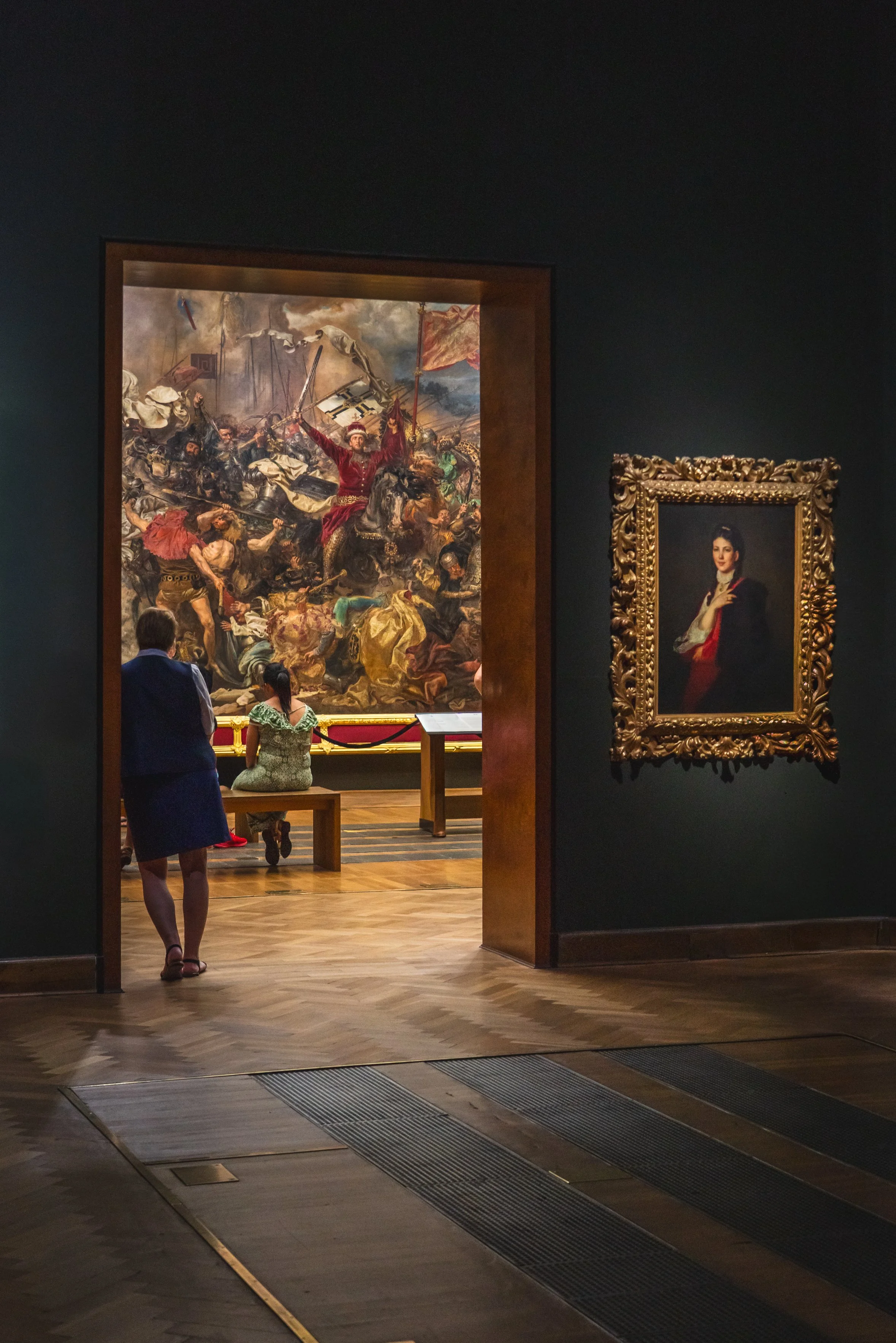
Matejko converges several dramatic moments, most notably the death of Grand Master Ulrich von Jungingen and the rising figure of Grand Duke Vytautas, to create a swirling tableau of heroism, chaos, and national identity.
With its dynamic composition, bold contrasts of color (especially reds and whites), and crowded melee of warriors and horses, the painting doesn’t just depict history but invites viewers into its midst, overwhelming them with both spectacle and symbolism.
The Virgin and Child with Saint John the Baptist and Angel by Sandro Botticelli 1480s

The Virgin and Child with Saint John the Baptist and an Angel by Sandro Botticelli captures a serene moment of divine intimacy, rendered with the artist’s signature elegance and grace.
Painted in the late 15th century, this work reflects Botticelli’s refined use of line, soft color palette, and harmonious composition. The Virgin tenderly holds the Christ Child, while a youthful John the Baptist and an angel look on, their gestures filled with quiet reverence. The painting embodies both spiritual symbolism and human tenderness, characteristic of the Early Renaissance.
Fortune by Tadeusz Kuntze-Konicz 1754
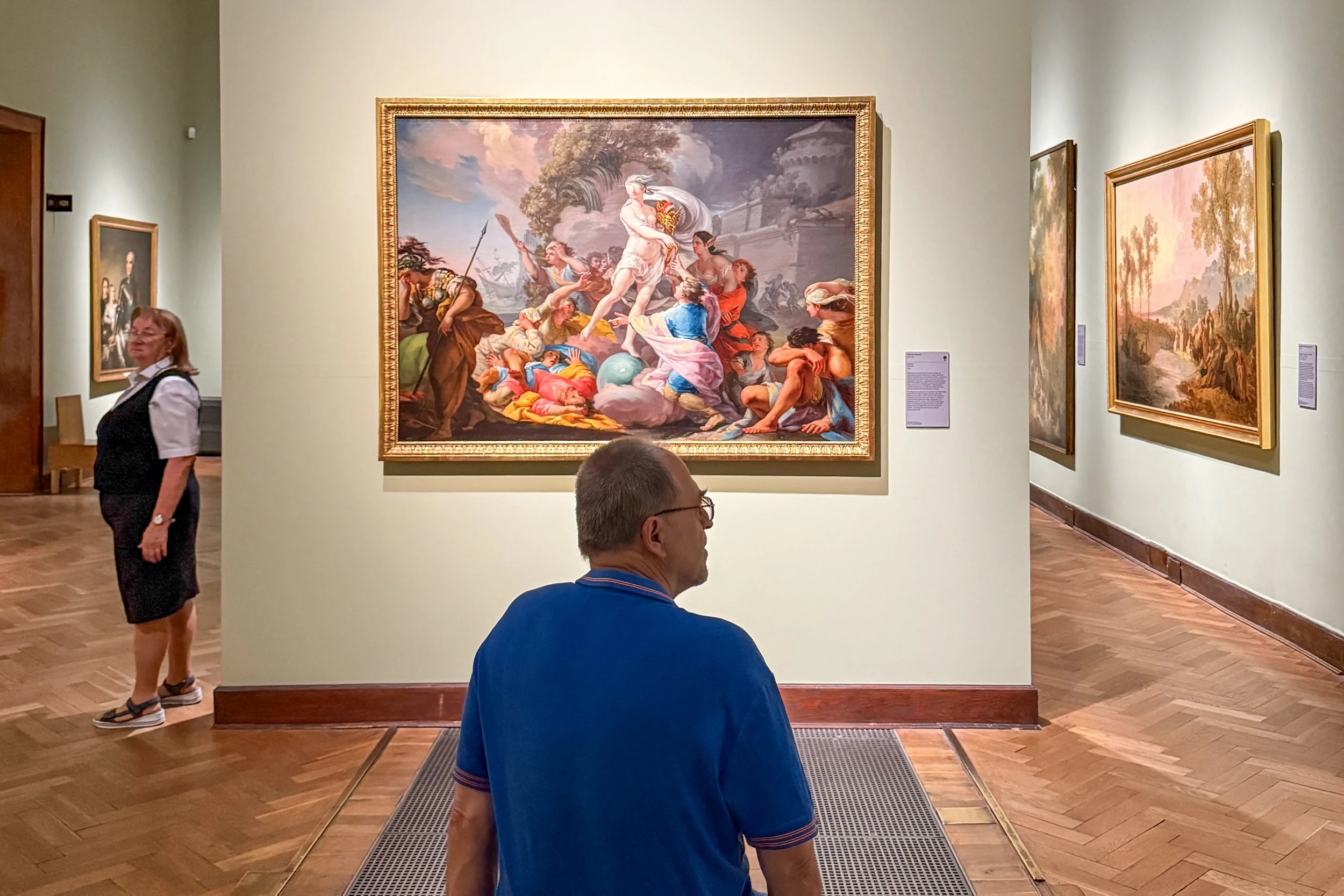
This baroque‑rococo canvas shows Fortune, blindfolded and unsteady atop a sphere, distributing gifts in an unpredictable world. Around her are symbolic figures: Folly with donkey ears, angry youth, and Virtue — weeping, defeated, yet still present. With a palette of mint, rose, violet and carefully composed gestures, Kuntze captures both the whimsy and the gravity of fate’s sway over human lives.
Portrait of Adam Mickiewicz on the Ayu-Dag Cliff by Walenty Wańkowicz 1828
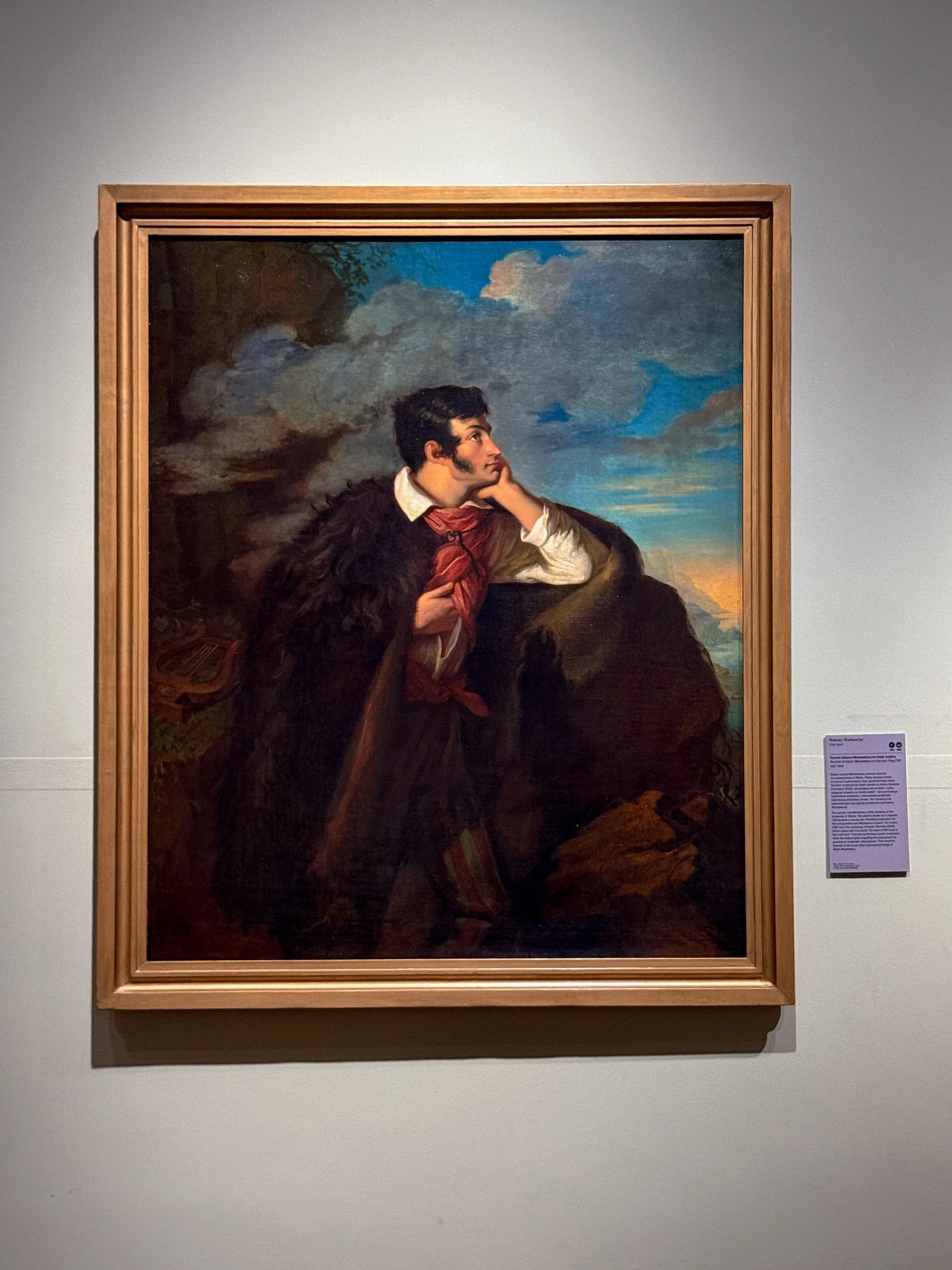
This portrait captures the Polish Romantic poet Adam Mickiewicz as a lone visionary, gazing into the vastness of the Crimean landscape. Painted in 1828, this iconic portrait blends realism with Romantic symbolism. Mickiewicz is shown standing on a rocky precipice above the Black Sea, wearing a traditional Polish cloak, embodying both exile and national spirit.
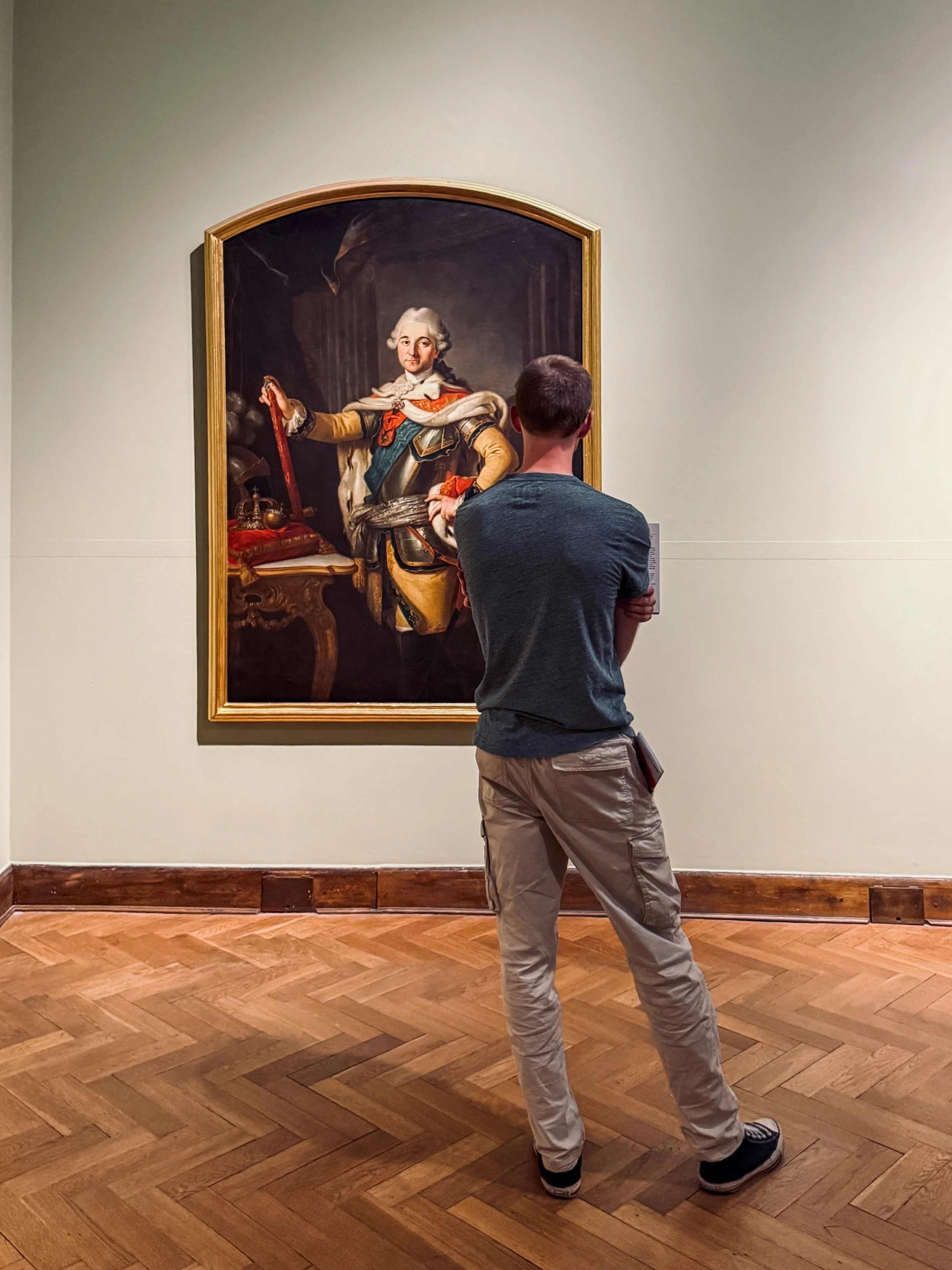
Portrait of Stanisław August Poniatowski in Coronation Robes by Marcello Bacciarelli 1764
This portrait is a significant work from the Baroque period by the Italian-Polish painter, marking his becoming the king's court painter and a landmark moment in his career. The painting features the newly crowned King Poniatowski in his regalia including a coat lined with ermine fur, decorated with Polish eagles, a frock coat and trousers. His hand rests against the baton of the military commander and royal regalia lie on the table beside him. The portrait earned the artist his role as court painter, and it seems that it was mainly thanks to this work that he was raised to the nobility in 1768.
Rescue of Captives by Józef Brandt 1878

The painting depicts a 17th-century scene of Polish troops recovering Polish and Ruthenian prisoners, or jassyr, who were being transported by Tatar forces. In the center, Polish riders and troops fight to retrieve the prisoners, who are being held captive in wagons. The scene is filled with action, movement, and emotion.
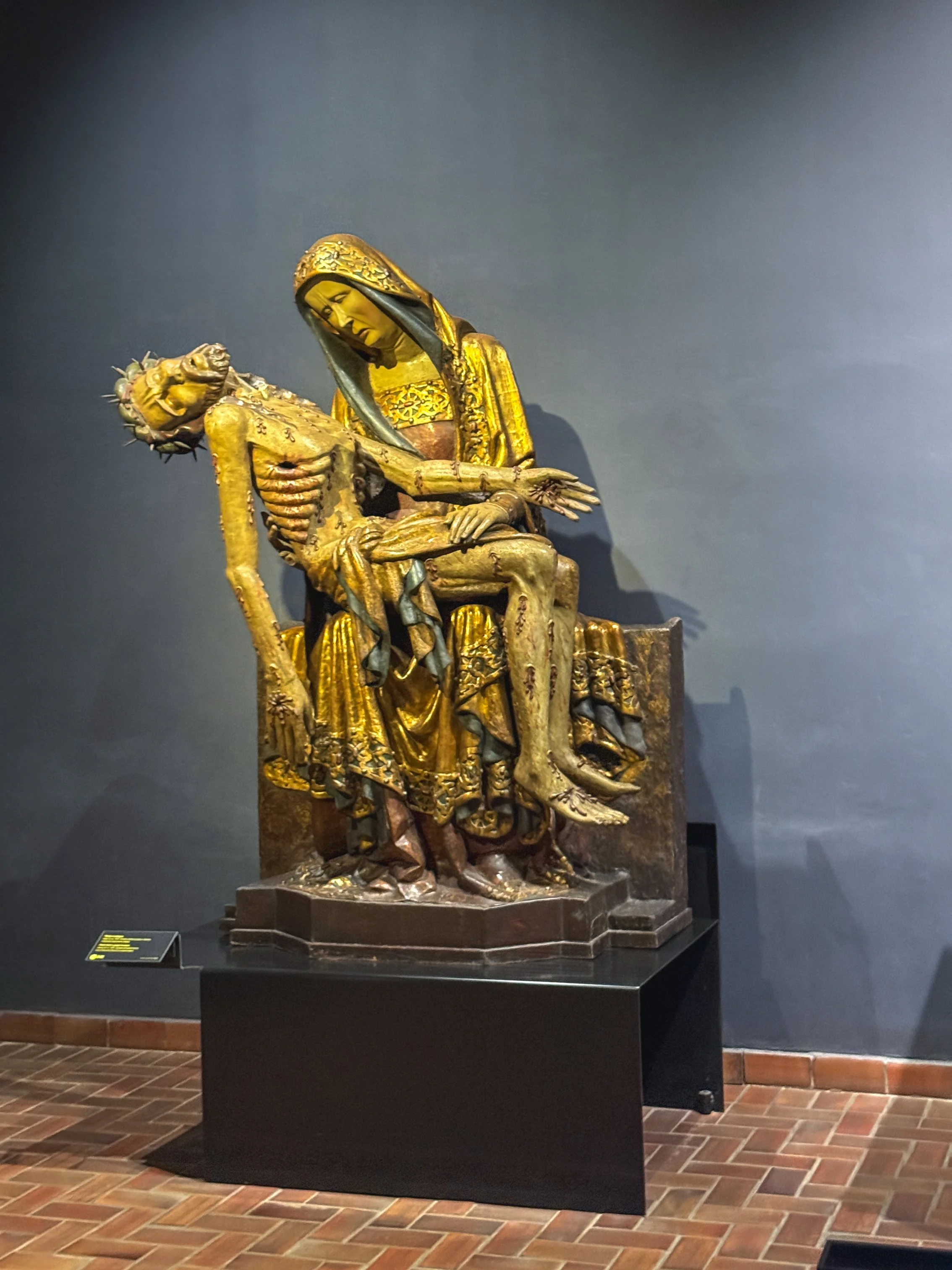
Gallery of Medieval Art
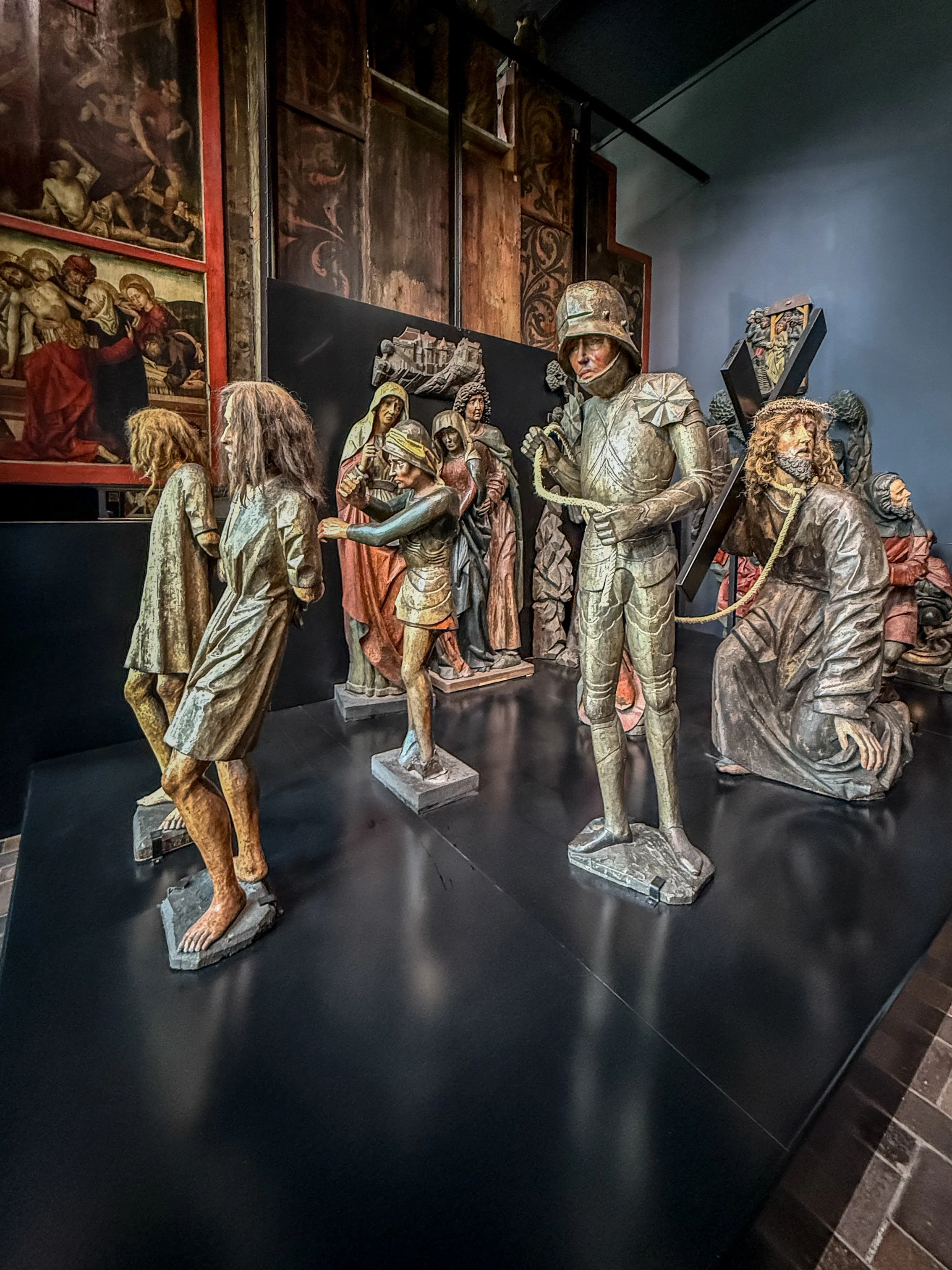
The Gallery of Medieval Art at Warsaw’s National Museum is one of the richest collections of its kind in Poland, focusing primarily on the late Middle Ages (14th‑16th centuries). You’ll find towering winged altarpieces, expressive sculptures in wood, stone, and alabaster, along with intimate paintings and devotional objects used for private or church worship.
Gallery of Ancient Art
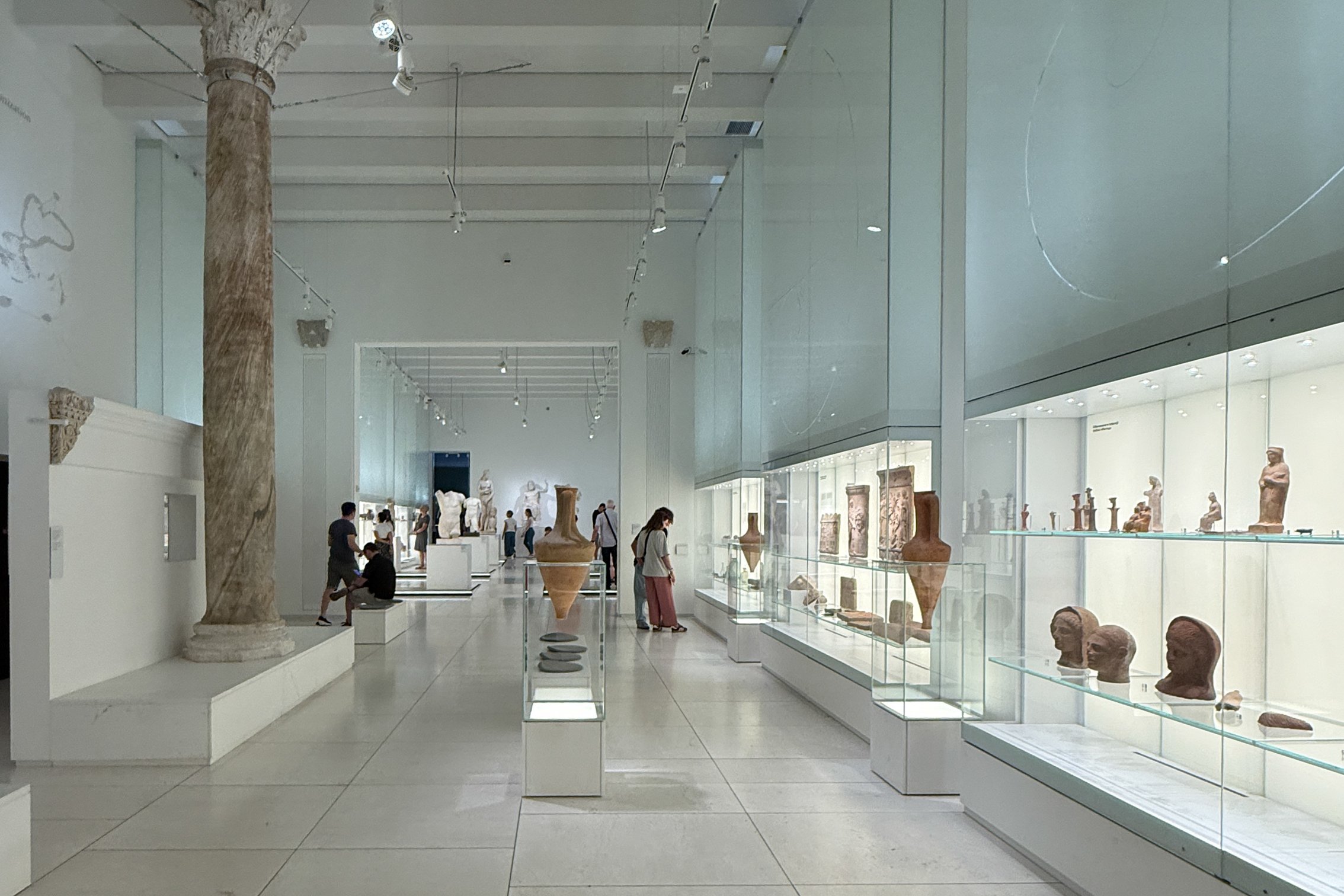
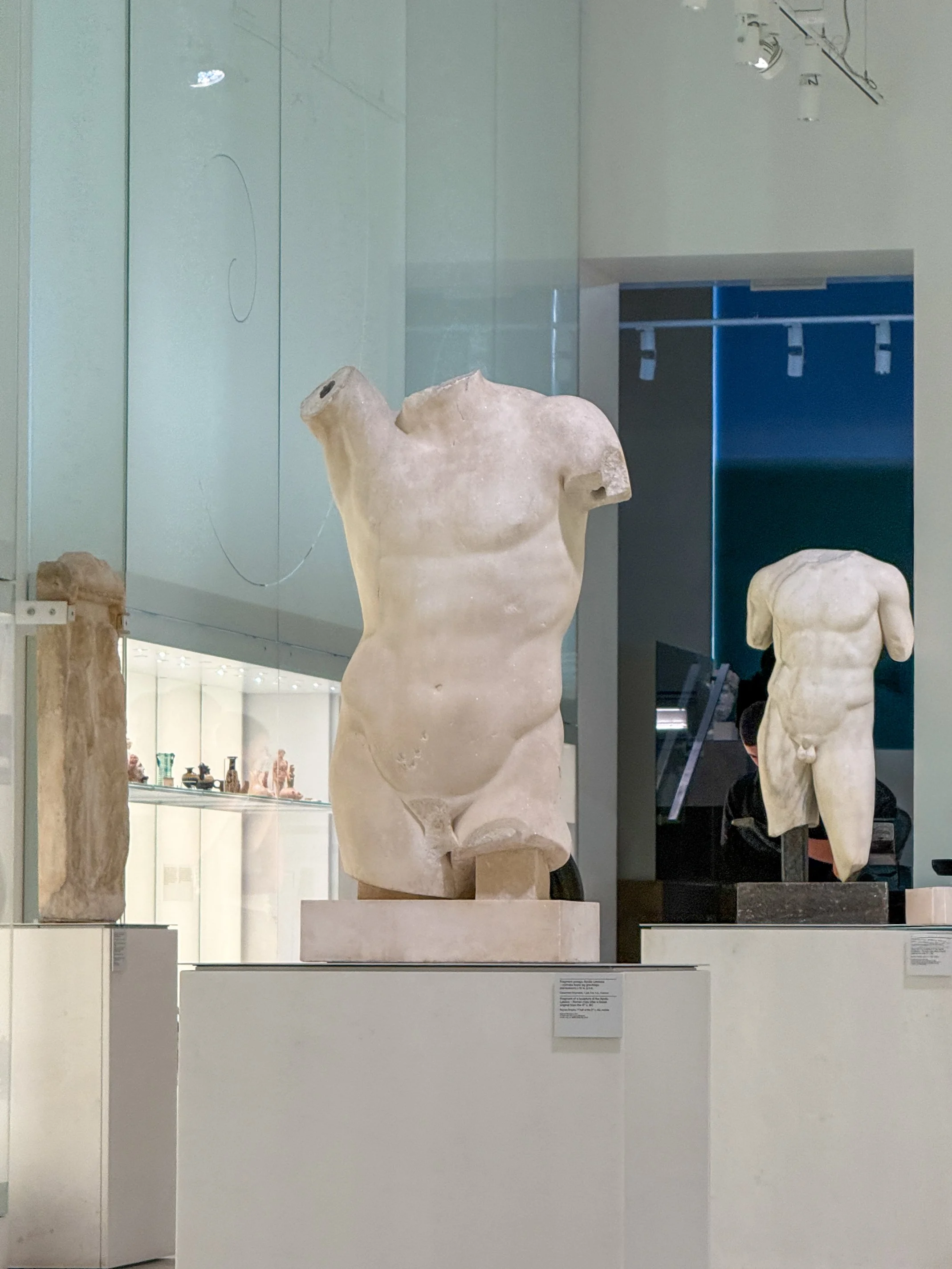
The Gallery of Ancient Art houses about 1800 chronologically arranged artefacts. It shows the subsequent stages of the development of the cultures of the ancient world and their most important aspects, such as the beginnings of civilization in Mesopotamia and Egypt, the art of war, symposium, and polis of the Greeks, as well as the religious beliefs in the Roman Empire.
Gallery of Polish Design
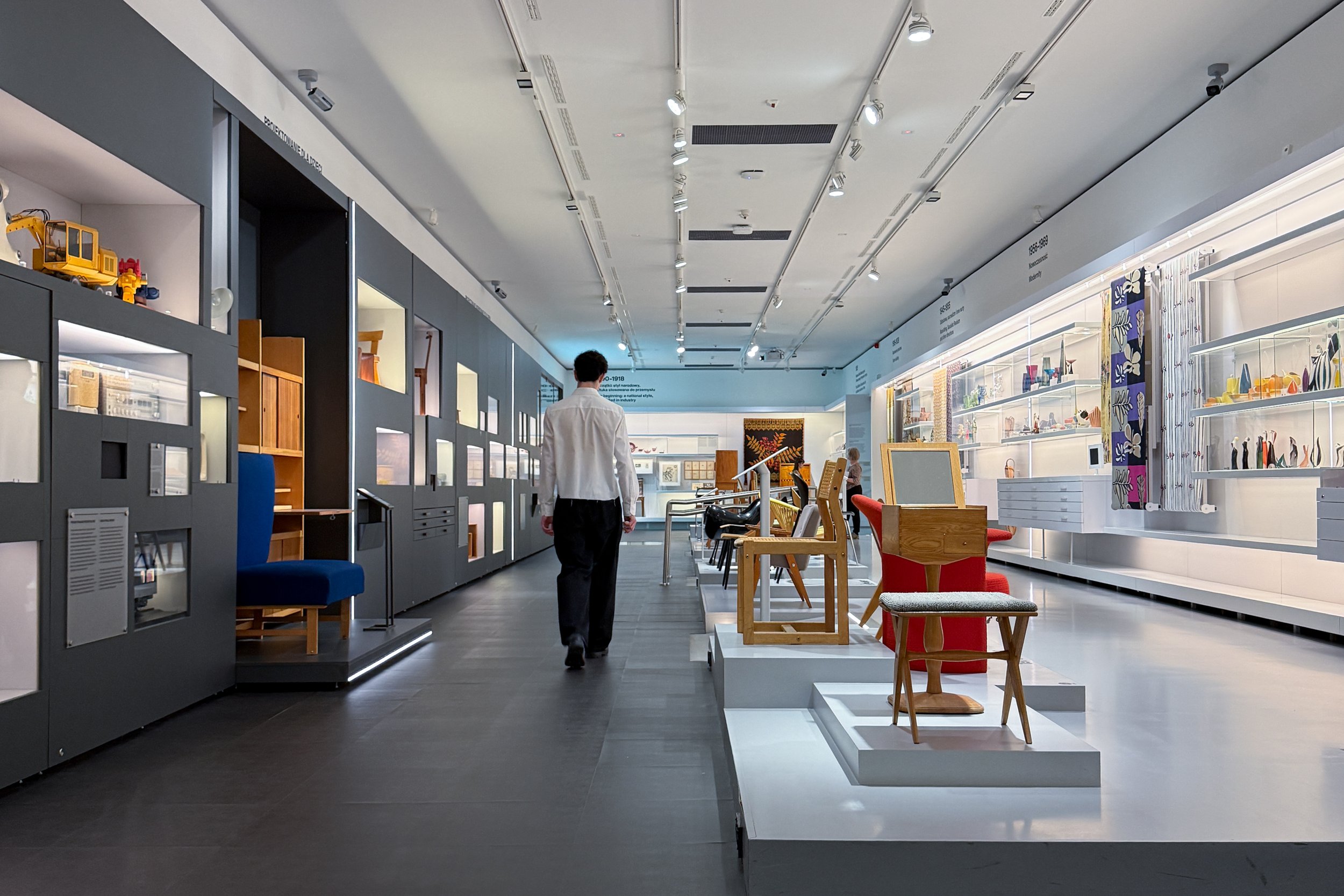
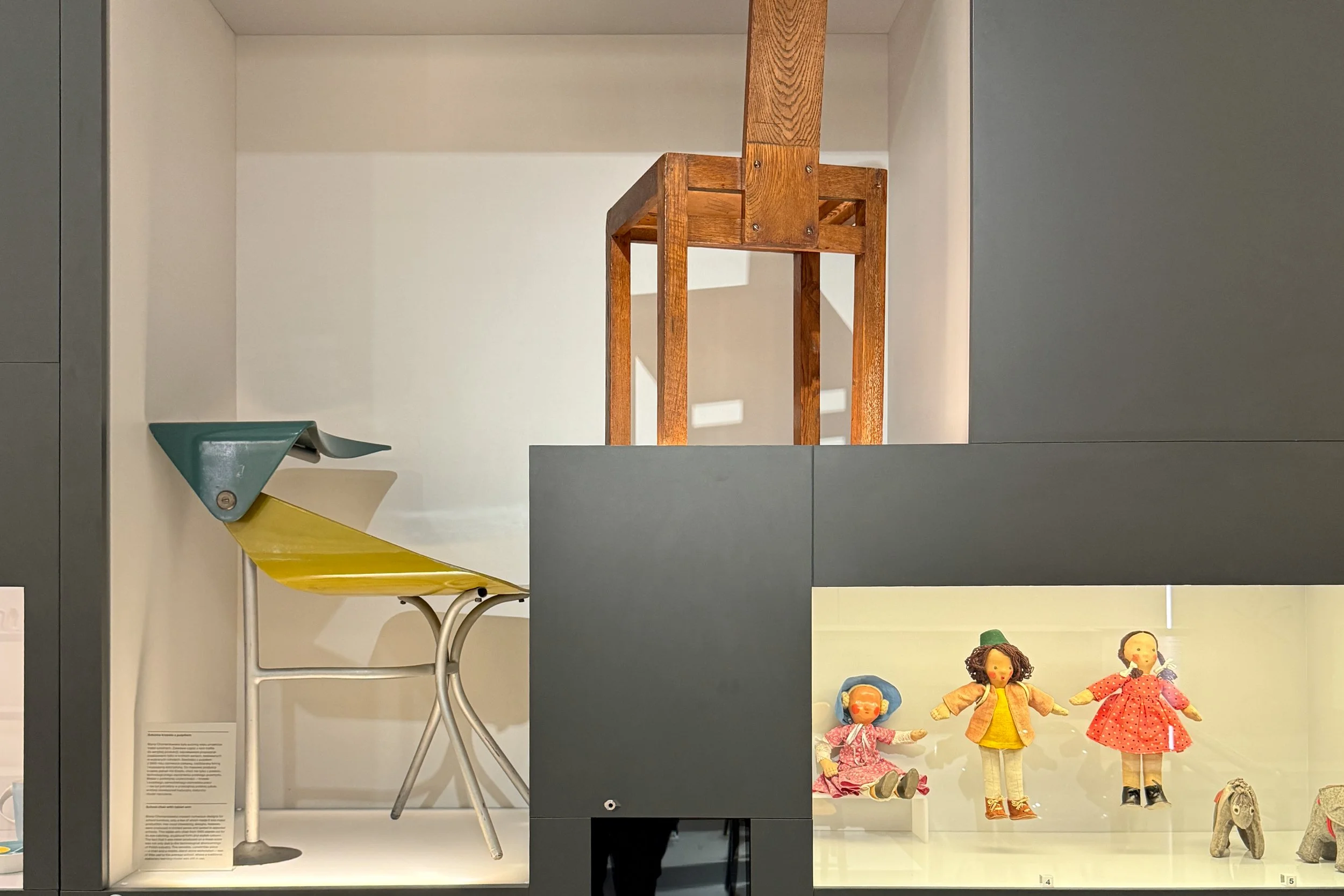
The Gallery of Polish Design at the National Museum in Warsaw showcases over 100 years of Polish applied arts, from early 20th-century movements to contemporary design. The exhibition features furniture, ceramics, textiles, and household objects, alongside sketches, prototypes, and archival materials. Arranged chronologically and thematically, it highlights the evolution of Polish design through changing social, political, and artistic contexts — celebrating both everyday functionality and creative innovation.
Gallery of Old Masters
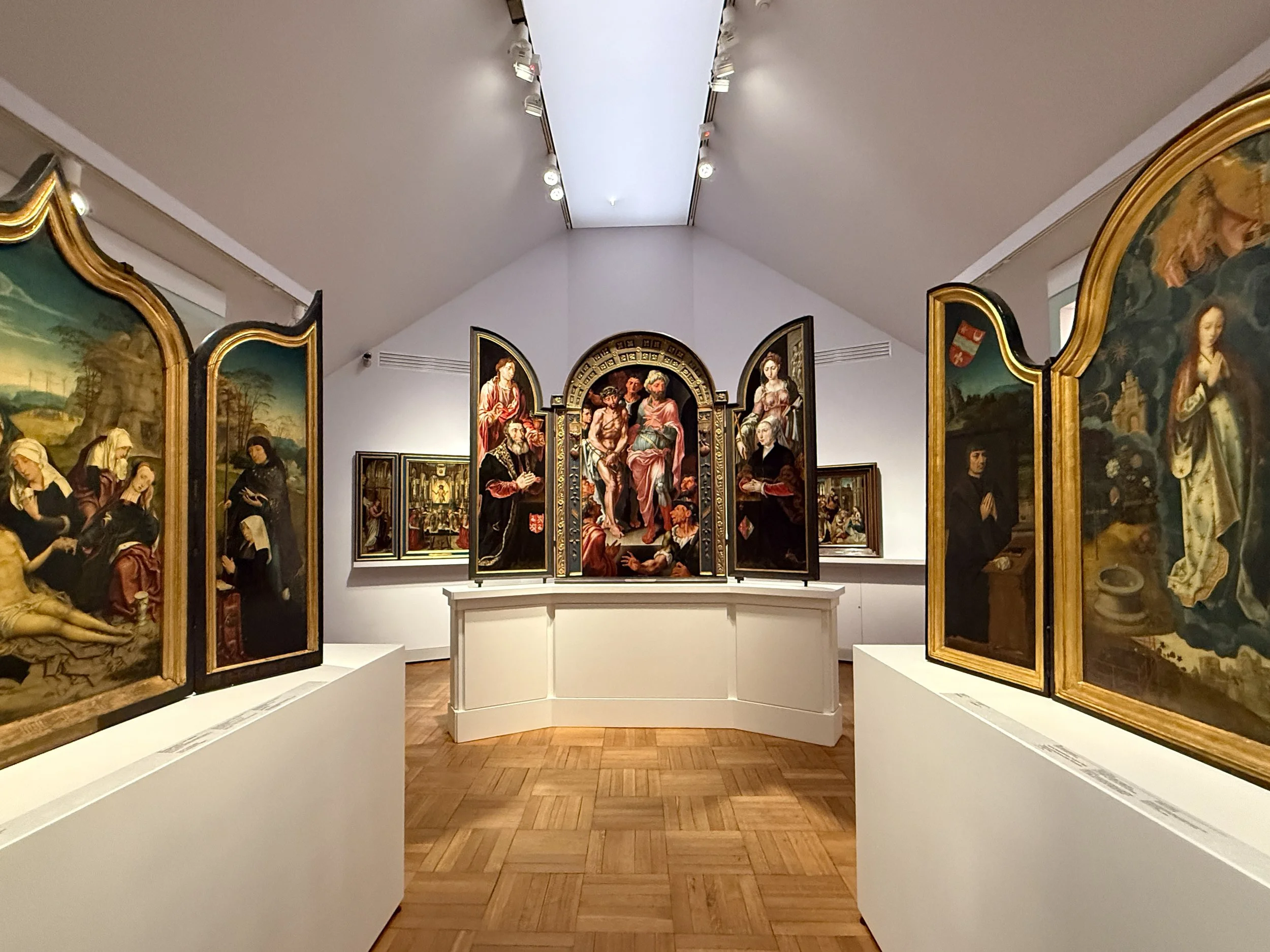
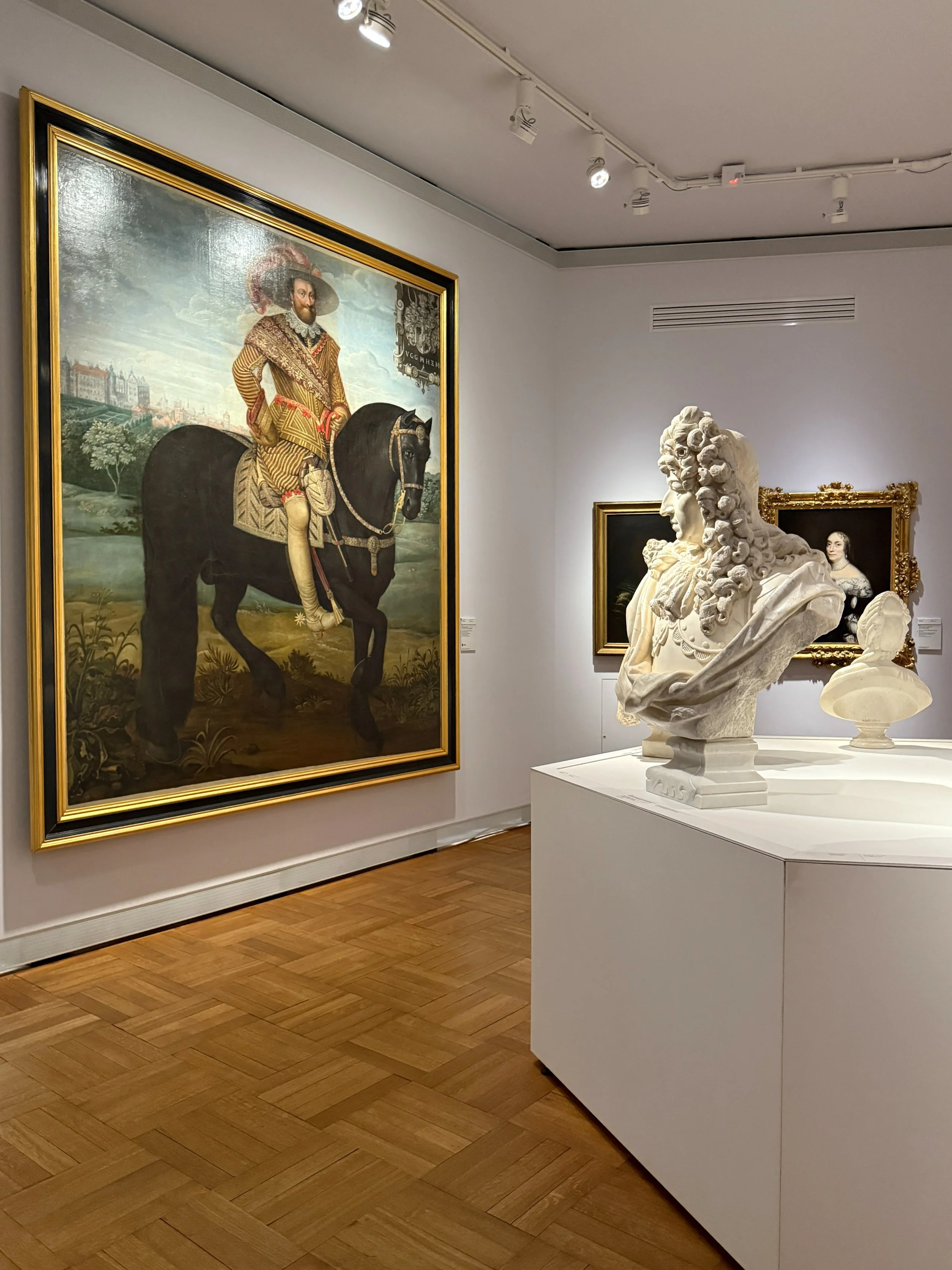
The gallery gathers European and Old Polish decorative arts, painting and sculpture from the 15th to 18th c. It is divided into three areas: "Culture of the court", "Religion and Devotion in Church and at Home" and "The City". Carefully curated and beautifully displayed, the collection highlights both religious themes and secular portraiture, reflecting the richness and diversity of European art history while separate display cases present examples of porcelain, glass and goldsmith objects.